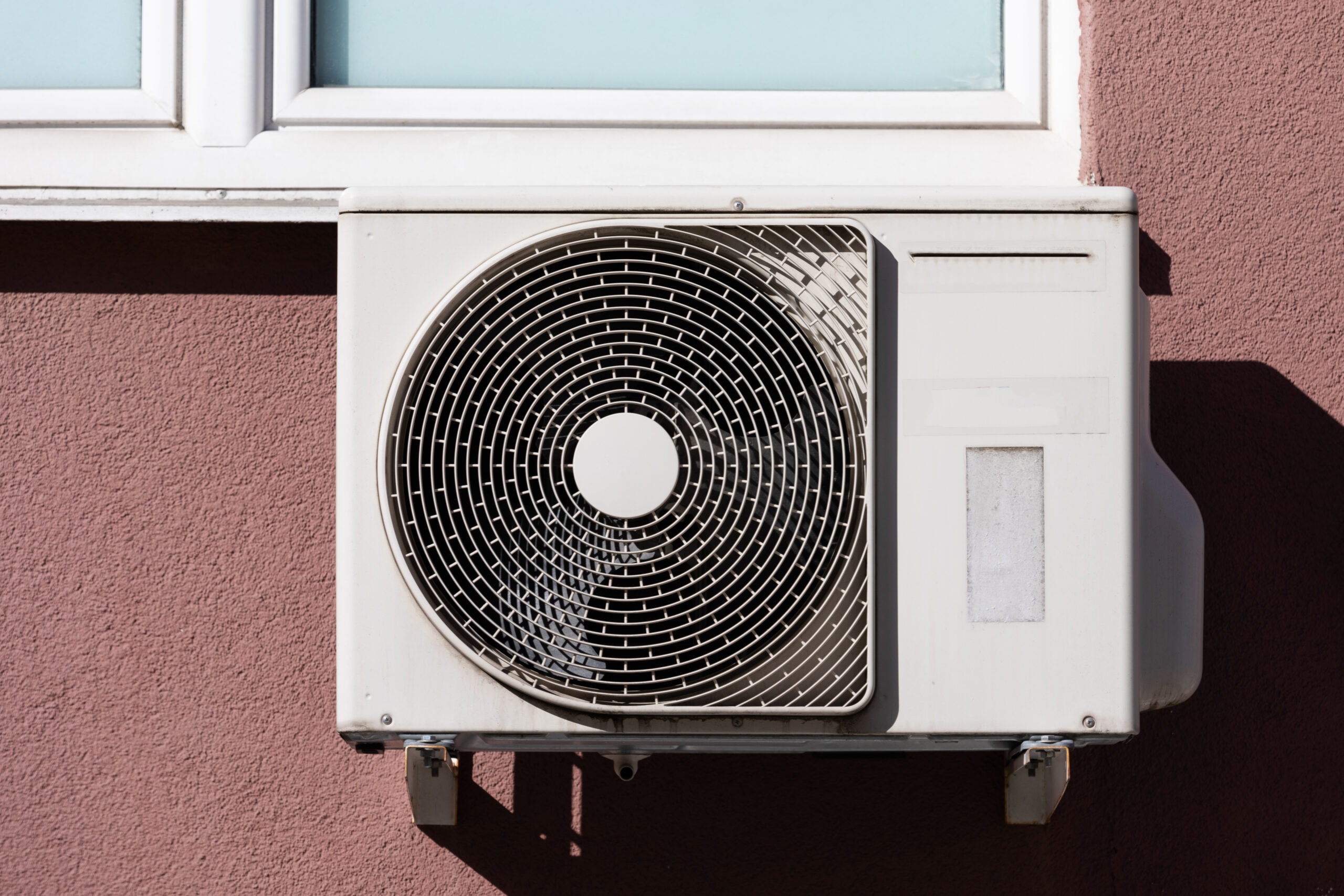
Living in Central Florida means your HVAC system is not just a luxury, it is a necessity. With hot, humid summers that last most of the year and occasional chilly nights in winter, your heating and cooling system works harder here than in many other parts of the country. That heavy use makes it more vulnerable to breakdowns and inefficiencies.
Many homeowners assume HVAC issues are just part of life in Florida, but the truth is, most of the common problems can be prevented with the right care and maintenance. At Sunrise Heating & Air Conditioning Inc, we have been helping Central Florida residents stay comfortable since 1989, and we know the exact challenges your system faces in this climate.
Here are the most common HVAC problems in Central Florida homes and what you can do to prevent them.
1. Leaky or Poorly Sealed Ductwork
Ductwork is the hidden network that delivers cooled or heated air throughout your home. In Central Florida, ducts are often located in hot attics, making them vulnerable to leaks, disconnections, and insulation problems. Studies show that up to 30 percent of conditioned air can be lost through leaky ducts, which drives up energy bills and reduces comfort.
Signs of duct problems:
- Uneven temperatures between rooms
- Higher-than-expected utility bills
- Weak airflow from vents
- Dust buildup in the home
Prevention tips:
- Have your ducts professionally inspected every few years
- Seal leaks with professional-grade materials (not just tape)
- Add insulation around ducts in hot attics or crawl spaces
- Schedule routine maintenance to ensure ducts are balanced and clean
2. Dirty or Clogged Air Filters
Air filters trap dust, pollen, and other particles to keep your indoor air clean and your system running efficiently. In Central Florida’s humid, pollen-filled environment, filters clog quickly. A dirty filter restricts airflow, making your system work harder and wasting energy.
Signs of a clogged filter:
- Higher energy bills
- Weak airflow from vents
- Dusty or musty indoor air
- Increased allergy symptoms
Prevention tips:
- Replace disposable filters every 1–3 months
- Choose high-quality filters that balance efficiency with airflow
- Set a reminder on your phone or thermostat to check filters regularly
3. Refrigerant Leaks
Refrigerant is the chemical that absorbs heat from your home and allows your AC to cool effectively. A leak can cause your system to lose efficiency, blow warm air, or even freeze up. Central Florida’s constant AC use increases the risk of refrigerant problems.
Signs of refrigerant issues:
- Warm air blowing from vents
- Ice buildup on the evaporator coil
- Hissing sounds near the AC unit
- Sudden rise in energy bills
Prevention tips:
- Have refrigerant levels checked during regular maintenance
- Schedule immediate service if you notice warm air or ice buildup
- Avoid DIY fixes, since refrigerant handling requires certification
4. Electrical and Capacitor Failure
With Florida’s frequent thunderstorms and power surges, electrical issues are a common cause of HVAC breakdowns. Capacitors, relays, and wiring can fail, leaving you without cooling during the hottest days of the year.
Signs of electrical problems:
- System will not turn on
- Frequent breaker trips
- Clicking or buzzing noises from the outdoor unit
- System turns off unexpectedly
Prevention tips:
- Install surge protection for your HVAC system
- Have electrical components inspected during maintenance visits
- Address small electrical issues quickly before they cause major failures
5. Frozen Evaporator Coils
A frozen coil prevents your system from cooling properly and often indicates airflow or refrigerant problems. Central Florida’s humidity makes frozen coils even more likely if the system is not maintained.
Signs of frozen coils:
- Ice visible on the indoor or outdoor unit
- Weak or no airflow from vents
- Warm air coming from the system despite it running
- System shutting down unexpectedly
Prevention tips:
- Change air filters regularly to ensure airflow
- Have refrigerant levels checked and leaks repaired promptly
- Keep vents open and unblocked for proper circulation
- Schedule seasonal tune-ups to catch issues early
6. Short Cycling (System Turns On and Off Frequently
Short cycling occurs when your HVAC system starts up and shuts down rapidly instead of running steadily. This wastes energy, reduces comfort, and puts extra strain on the equipment.
Causes of short cycling:
- System is oversized for the home
- Thermostat is malfunctioning or poorly placed
- Refrigerant issues
- Dirty coils or airflow restrictions
Prevention tips:
- Ensure your system is properly sized by a professional
- Have your thermostat calibrated or relocated if necessary
- Keep coils and filters clean
- Have a technician check for refrigerant leaks
7. Excessive Indoor Humidity
Air conditioning systems in Florida are designed to remove humidity as well as heat. When your system fails to control moisture, your home can feel sticky, uncomfortable, and even develop mold problems.
Signs of high indoor humidity:
- Sticky or damp feeling indoors
- Foggy windows
- Musty odors
- Mold or mildew growth
Prevention tips:
- Have your coils cleaned regularly for proper dehumidification
- Seal duct leaks that allow humid attic air inside
- Add a whole-home dehumidifier for extra moisture control
- Consider upgrading to a variable-speed system for better humidity removal
8. Lack of Regular Maintenanc
One of the biggest reasons HVAC systems fail in Central Florida is simply lack of maintenance. Skipping tune-ups allows small problems to grow into expensive repairs.
Why maintenance matters:
- Keeps energy bills low
- Extends system lifespan
- Improves comfort and air quality
- Prevents surprise breakdowns during peak season
Prevention tips:
- Schedule maintenance twice a year, ideally in spring and fall
- Enroll in a preventative maintenance plan for consistent service
- Ask your contractor to check ducts, refrigerant, coils, and electrical components during each visit
How to Prevent HVAC Problems Before They Start
Preventing HVAC issues is always cheaper and easier than dealing with emergency breakdowns. Here are proactive steps every Central Florida homeowner can take:
- Replace filters on a regular schedule
- Schedule preventative maintenance twice a year
- Keep the outdoor condenser clear of debris and vegetation
- Seal ductwork and insulate attics for better efficiency
- Use a programmable or smart thermostat to reduce strain on your system
- Invest in surge protection to avoid electrical damage
- Consider a maintenance plan for year-round peace of mind
Why Local Experience Matters
HVAC problems in Central Florida are not the same as those in other parts of the country. Our climate puts unique stress on systems, from high humidity to year-round cooling demands. That’s why choosing a contractor with local experience makes all the difference.
At Sunrise Heating & Air Conditioning Inc, we have been serving Altamonte Springs, Orlando, and surrounding counties since 1989. Our team knows the exact issues Central Florida homeowners face and provides solutions designed for this climate. From duct sealing and system balancing to energy-efficient upgrades, we help prevent problems before they happen.
Stay Ahead of HVAC Problems with Sunrise
The most common HVAC problems—like leaky ducts, refrigerant issues, frozen coils, and humidity control—are all preventable with the right care. By taking proactive steps and partnering with an experienced local contractor, you can lower your energy bills, extend your system’s life, and keep your family comfortable year-round.
If you are ready to get ahead of HVAC problems before they strike, call Sunrise Heating & Air Conditioning Inc at (407) 324-0682 or request a free quote online. Our certified technicians will inspect your system, catch small issues early, and keep your home cool and comfortable no matter what Florida’s weather brings.