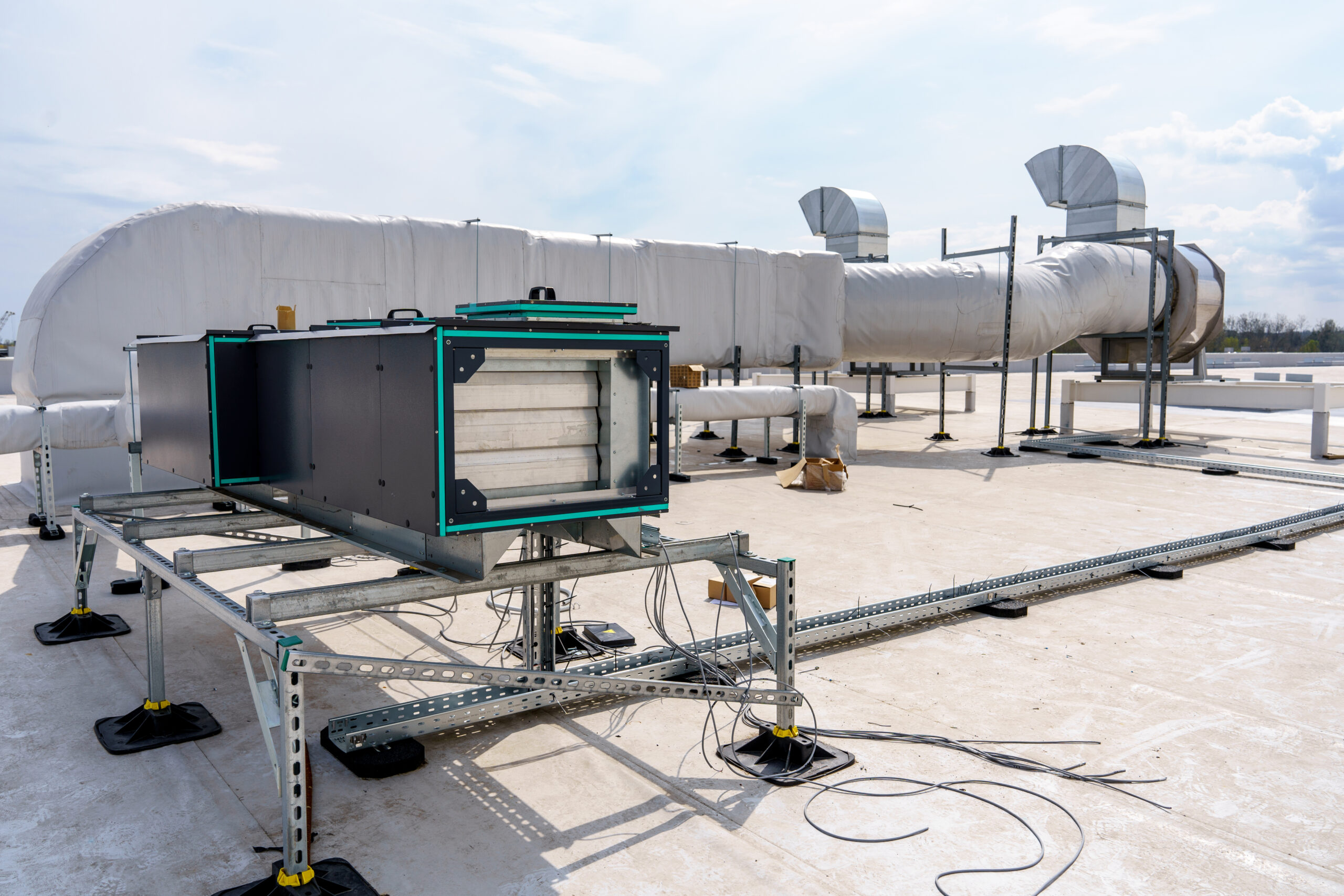
Air conditioners in Florida work harder than almost anywhere else in the country. With cooling season stretching 10+ months per year, high humidity levels, and little seasonal relief, your system rarely gets a break.
That constant demand takes a toll. While air conditioners in milder climates often last 15-20 years, Florida AC units typically last 10-12 years, and coastal systems may fail even sooner due to salt air corrosion.
The good news? With proper care, you can push your system closer to 15 years (or beyond), reduce repair costs, and lower your monthly energy bills. At Sunrise Heating & Air Conditioning, we’ve been helping Central Florida homeowners protect their HVAC investments since 1989. Here’s exactly what works.
Why Florida AC Units Have Shorter Lifespans
Before diving into maintenance tips, it helps to understand why Florida is so hard on air conditioners. Knowing the enemy helps you fight back effectively.
 Florida’s Unique HVAC Challenges
 Near-Constant Operation
While northern ACs run 4-5 months per year, Florida systems run 10-12 months. More runtime means more wear on compressors, fans, and electrical components.
 High Humidity
Your AC removes moisture AND heat. Florida’s 70-90% humidity forces systems to work overtime, increasing strain on evaporator coils and drain systems.
 Salt Air Corrosion
Coastal and near-coastal homes face accelerated corrosion from salt particles in the air, which can reduce system lifespan by 3-5 years if unaddressed.
 Lightning & Power Surges
Florida leads the nation in lightning strikes. Power surges damage circuit boards, compressors, and thermostats instantly.
 AC LIFESPAN COMPARISON
Northern States
15-20 years
Florida (Inland)
10-15 years
Florida (Coastal)
7-12 years
With proper maintenance, many Florida systems can reach the 15+ year mark.
12 Proven Ways to Extend Your AC’s Lifespan in Florida
These aren’t generic tips copied from a national website. These are Florida-specific strategies based on 35+ years of experience servicing Central Florida homes.
1 Change Your Air Filters Every 30-60 Days
This is the single most effective maintenance step you can take, and it’s one of the most neglected. Your air filter traps dust, pollen, pet dander, and debris before they reach internal components. When clogged, airflow is restricted, forcing your system to work harder to circulate air.
 What happens with a dirty filter: Reduced airflow causes frozen evaporator coils, compressor strain, higher energy bills (up to 15% increase), and premature system failure.
Florida-specific guidance: In our humid, pollen-heavy environment, check filters monthly. Homes with pets, allergy sufferers, or near construction may need changes every 30 days. Standard homes can typically go 45-60 days.
2 Schedule Professional Maintenance Twice Per Year
According to the U.S. Department of Energy, well-maintained HVAC systems reduce energy consumption by 5-15%. The American Society of Heating, Refrigerating, and Air-Conditioning Engineers (ASHRAE) reports that regular maintenance can reduce the risk of breakdowns by up to 95%.
In Florida, we recommend maintenance twice yearly: once in early spring (before cooling season peaks) and once in fall (to prepare for heating and catch summer wear).
During a professional tune-up, our technicians:
- Inspect and clean evaporator and condenser coils
- Check refrigerant levels and test for leaks
- Test electrical connections and tighten terminals
- Clear and treat condensate drain lines
- Lubricate motors and moving parts
- Verify airflow and system performance
- Inspect ductwork connections
- Calibrate thermostat settings
3 Keep Coils Clean (Inside and Out)
Your AC relies on two sets of coils: the evaporator coil inside (absorbs heat from indoor air) and the condenser coil outside (releases heat). Dirty coils reduce heat transfer efficiency, forcing longer run cycles and accelerating wear.
What you can do: Keep the area around your outdoor unit free from leaves, grass clippings, and debris. Gently rinse the exterior fins with a garden hose (not a pressure washer) every few months.
What professionals do: We use specialized coil cleaners and techniques to remove buildup without damaging delicate aluminum fins. Annual professional coil cleaning can improve efficiency by 10-15%.
4 Maintain 2-3 Feet of Clearance Around the Outdoor Unit
Your condenser unit needs space to breathe. When plants, fences, or debris crowd the unit, airflow becomes restricted, and heat builds up inside the system. This causes the compressor to overheat and fail prematurely.
Florida landscaping tip: Avoid planting shrubs directly next to your AC unit. While shade can help efficiency slightly, restricted airflow causes far more harm. Trim back vegetation regularly, and never place anything on top of the unit.
5 Install HVAC Surge Protection
Florida experiences more lightning strikes than any other state. A single power surge can destroy your AC’s circuit board, compressor, or thermostat instantly, turning a minor storm into a $2,000+ repair.
An HVAC-specific surge protector (installed at your outdoor unit) is an inexpensive safeguard that can save thousands. We install these for our customers and consider them essential for any Florida home.
6 Seal and Maintain Your Ductwork
Leaky ducts can waste up to 30% of your conditioned air before it ever reaches your living spaces. That wasted air forces your system to run longer cycles, increasing wear and energy costs.
Have your ducts inspected every 3-5 years. Professional duct sealing can restore proper airflow, improve comfort, and significantly reduce strain on your AC system.
7 Use a Programmable or Smart Thermostat
Running your AC nonstop at low temperatures isn’t just expensive; it also shortens equipment life. A smart thermostat automatically adjusts temperatures based on your schedule, giving your system periodic breaks.
Example: Instead of maintaining 72°F all day while you’re at work, program the system to allow 78°F during the day and cool down 30 minutes before you arrive home. This reduces runtime without sacrificing comfort.
8 Control Indoor Humidity
High humidity is one of Florida’s biggest HVAC challenges. When moisture levels are excessive, your AC works overtime removing water from the air while also cooling it. This double duty accelerates wear on evaporator coils and the compressor.
A whole-home dehumidifier works alongside your AC to maintain ideal humidity levels (40-50%). This allows your AC to cool more efficiently, run shorter cycles, and often lets you feel comfortable at higher thermostat settings.
9 Check Attic Insulation and Ventilation
A poorly insulated or ventilated attic can reach 150°F or more on summer days. That heat radiates down into your living spaces, forcing your AC to run constantly to compensate.
Improving attic insulation and ventilation reduces the heat load on your home, allowing your AC to cycle on and off normally instead of running nonstop. This single upgrade can extend system life by years.
10 Seal Air Leaks Around Doors and Windows
Even small gaps around doors, windows, and vents allow cool air to escape and hot, humid air to enter. This constant exchange forces your AC to work harder to maintain your desired temperature.
Inspect weatherstripping and caulking annually. Sealing air leaks is one of the cheapest home improvements you can make, and it directly reduces AC runtime and extends equipment life.
11 Avoid Overworking Your System
Many homeowners believe that setting the thermostat very low will cool the home faster. In reality, your AC cools at the same rate regardless of the setting. Lowering it to 65°F just makes it run longer and puts unnecessary strain on components.
Recommended settings: Keep your thermostat between 75°F and 78°F when home, and 78-82°F when away. Each degree higher reduces cooling costs by approximately 3% and reduces system wear proportionally.
12 Keep the Condensate Drain Line Clear
Your AC removes gallons of moisture from indoor air daily, and that water drains through a condensate line. In Florida’s humid climate, algae and mold grow quickly in these lines, causing clogs.
A clogged drain line can trigger your safety switch (shutting down the system), cause water damage, or allow moisture to back up into your air handler. Pour a cup of white vinegar down the drain line every few months to prevent buildup, and have it professionally cleared during maintenance visits.
Real Results: How One Sanford Family Extended Their AC’s Life by 5 Years
 CASE STUDY: SANFORD HOMEOWNER
In 2018, we serviced an 8-year-old Carrier system for a family in Sanford. The previous owner hadn’t maintained it well: the coils were caked with debris, the drain line was completely clogged, and the outdoor unit was surrounded by overgrown hedges.
The homeowner was ready to replace it, expecting it to fail soon. Instead, we recommended a different approach.
What we did:
- Deep-cleaned both evaporator and condenser coils
- Cleared and treated the condensate drain line
- Installed an HVAC surge protector
- Trimmed vegetation and established 3-foot clearance around the outdoor unit
- Sealed accessible duct leaks in the attic
- Enrolled the homeowner in our twice-yearly maintenance plan
System Age at Intervention
8 years
Energy Bill Reduction
18%
System Final Lifespan
16 years
Result: That system ran efficiently for another 8 years before the family upgraded to a new high-efficiency heat pump in early 2026. Instead of replacing at 8-10 years (typical for a neglected Florida system), they got 16 years of reliable service.
Signs Your AC Needs Immediate Attention
Even with excellent maintenance, problems can develop. Catching issues early prevents small problems from becoming system-ending failures.
 PRO TIP FROM OUR TECHNICIANS
If your system is 10+ years old and repair costs exceed 50% of what a new system would cost, it’s usually more economical to replace. A new high-efficiency system will pay for itself through lower energy bills and fewer repairs. Learn more about AC replacement costs and planning.
The Long-Term Benefits of Proper AC Maintenance
Taking small, consistent steps to care for your air conditioner adds up to major benefits over time:

5-15% Lower
Energy Bills

Up to 95%
Fewer Breakdowns

3-5 Years
Extended Lifespan
Additional benefits include better indoor air quality, improved humidity control, consistent comfort throughout your home, and peace of mind knowing your system won’t fail during Florida’s hottest months.
Frequently Asked Questions
 How long should an air conditioner last in Florida?
Keep Your AC Running Strong for Years to Come
Your air conditioner is one of the most important (and most expensive) systems in your Florida home. With proper care, it can provide reliable comfort for 15+ years instead of failing at 8-10.
The steps above aren’t complicated, but consistency matters. Change filters monthly, schedule professional maintenance twice yearly, and address small problems before they become big ones.
Looking to improve efficiency while extending system life? Explore energy-efficient HVAC upgrades that complement your existing system.
At Sunrise Heating & Air Conditioning, we’ve been helping Central Florida families protect their HVAC investments since 1989. Our maintenance plans make it easy to stay on schedule, catch problems early, and keep your system running efficiently year after year.
Whether you need a tune-up, repair, or honest advice about your system’s condition, our experienced technicians are here to help.
 Call (407) 324-0682
Sunrise Heating & Air Conditioning Inc.
Serving Seminole, Orange, Volusia & Lake Counties
Family Owned & Operated Since 1989
“Honesty & Integrity Since 1989”
Licensed & Insured | FL State License #CAC048121 | EPA Certified | Authorized Amana Dealer 5.0 Google Rating
Last updated: February 2026