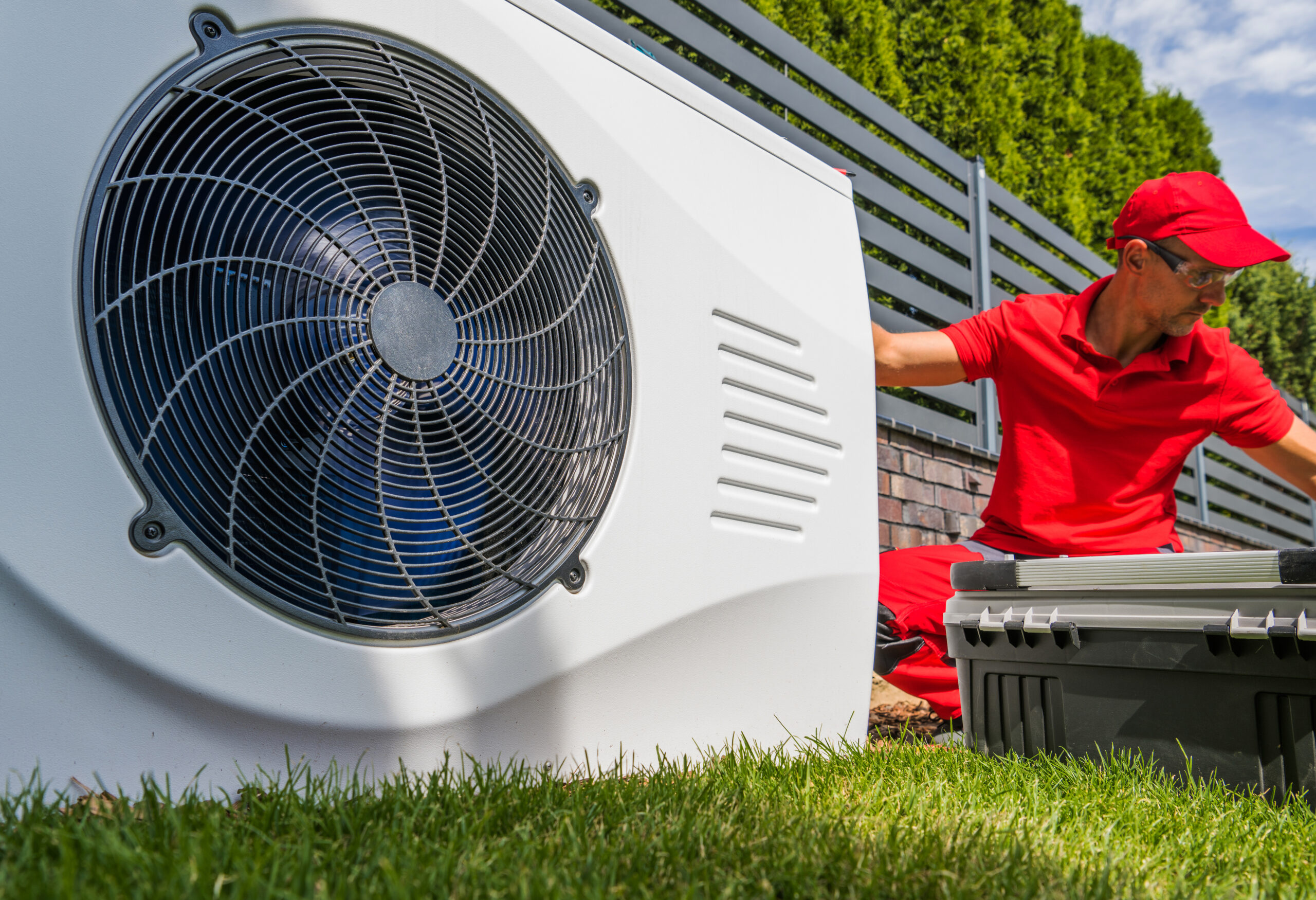
If you’re replacing an aging HVAC system or building a new home in Central Florida, you’ve probably asked yourself: should I choose a heat pump or a traditional air conditioner?
It’s one of the most common questions we hear from homeowners across Seminole, Orange, Volusia, and Lake Counties. And after 35+ years of installing and servicing both systems, we can tell you this: the right choice depends on your home, your heating habits, and your long-term energy goals.
In this guide, we’ll break down exactly how heat pumps and traditional AC systems (also called “straight cool” systems) compare in Florida’s climate, including real cost data, efficiency ratings, available rebates, and recommendations based on thousands of installations we’ve completed since 1989.
Heat Pump vs AC: The Fundamental Difference
Before diving into costs and efficiency ratings, let’s clarify what makes these systems different. Understanding this will help everything else make sense.
 Traditional AC (Straight Cool)
What it does: Cooling only. Removes heat from indoor air and releases it outside.
For heating: Requires a separate system, typically electric heat strips (resistance heating) or a gas furnace.
Best for: Homeowners who already have a working furnace or rarely use heat.
 Heat Pump System
What it does: Both cooling AND heating in one system using a reversing valve.
For heating: Extracts heat from outdoor air (even when cool) and transfers it inside. No secondary system needed.
Best for: Florida homeowners seeking year-round efficiency and lower heating bills.
 THE KEY DIFFERENCE
Heat pumps transfer heat rather than generate it. This is why the U.S. Department of Energy reports that heat pumps can reduce electricity usage for heating by approximately 50% compared to electric resistance heating (heat strips). In Florida’s mild winter climate, this efficiency advantage makes heat pumps the preferred choice for most homeowners.
How Heat Pumps and Air Conditioners Work in Florida’s Climate
Florida’s subtropical climate creates unique demands on HVAC systems. Here’s how each system performs:
 Cooling Performance (9-10 Months Per Year)
Heat pumps and traditional ACs perform identically when cooling. Both use the same refrigeration cycle to remove heat and humidity from your home. If you’re comparing a 16 SEER2 heat pump to a 16 SEER2 air conditioner, they’ll cool your home with the same efficiency.
Modern heat pumps are specifically designed to handle hot, humid climates like Florida’s. Many include enhanced dehumidification modes that cycle between cooling and drying to maintain comfortable humidity levels without overcooling.
Heating Performance (2-3 Months Per Year)
This is where the systems differ dramatically.
Electric Heat Strips:
100% efficient (1 kW of electricity = 1 kW of heat). Expensive to operate because they create heat through electrical resistance.
Heat Pump:
200-300% efficient (1 kW of electricity = 2-3 kW of heat). Affordable to operate because they transfer existing heat from outdoor air.
Heat pumps remain highly efficient down to about 25-30°F. Since Central Florida winter lows rarely drop below 40°F, heat pumps operate at peak efficiency throughout our mild heating season. For the rare nights when temperatures dip lower, most heat pumps include backup electric heat strips that activate automatically.
 PRO TIP FROM OUR TECHNICIANS
If your current system has electric heat strips and you notice your electric bill spikes dramatically during cold snaps (January/February), you’re a prime candidate for a heat pump upgrade. We’ve seen customers cut their winter heating costs by 40-60% after switching.
Heat Pump vs AC Cost Comparison in Florida (2026)
Let’s look at real numbers. These cost ranges reflect what Central Florida homeowners typically pay in 2026, based on our installation data and current industry averages.
Note: Prices vary based on home size, system tonnage (typically 2-5 tons for residential), efficiency rating, and installation complexity. The average Florida heat pump installation in 2026 runs approximately $6,000-$7,000 for a standard efficiency system.
 ENERGY SAVINGS DATA
According to Florida Power & Light, Florida homeowners who use heat frequently can expect to save approximately $75 or more per year on heating costs with a heat pump compared to a standard AC with electric heat strips. For homes with higher heating usage (larger spaces, older construction, or homeowners who prefer warmer temperatures), savings can reach $50-$100+ per month during winter months.
 CASE STUDY: LAKE MARY HOMEOWNER
Recently, we helped a family in Lake Mary upgrade from a 12-year-old traditional AC with electric heat strips to a new 17 SEER2 Amana heat pump. Here’s what happened:
Winter Electric Bill (Before)
$285/month
Winter Electric Bill (After)
$195/month
Results: $90/month savings during heating season. Combined with utility rebates, the family is on track to recoup the price difference in under 4 years while enjoying consistent comfort year-round.
Available Rebates and Incentives
While the federal tax credit for heat pumps expired at the end of 2025, Florida homeowners still have access to utility rebates and an upcoming state program that can help offset installation costs.
 IMPORTANT UPDATE
The federal 25C Energy Efficient Home Improvement Credit (which provided up to $2,000 for heat pump installations) expired on December 31, 2025. This credit is no longer available for new installations in 2026. However, if you installed a qualifying heat pump in 2025 or earlier, you can still claim that credit on your 2025 tax return (filed in 2026).
 Florida Utility Company Rebates (Still Available)
Many Florida utilities continue to offer rebates for high-efficiency HVAC installations:
| Utility Provider | Rebate Amount | Requirements |
|---|---|---|
| Florida Power & Light (FPL) | $200 | 16 SEER / 15.2 SEER2 or higher, installed by PIC contractor |
| Duke Energy Florida | $300 – $1,000 | $300 for AC, up to $1,000 for heat pumps (requires Home Energy Check) |
| Tampa Electric (TECO) | $40 – $550 | $40 for 16 SEER, up to $550 for 17+ SEER |
| Florida Public Utilities | $250 – $500 | 15.0 SEER minimum |
Rebate amounts and requirements change periodically. Contact your utility provider or ask our team for the most current information.
 Coming: Florida Energy Saver Program (HEAR Rebates)
Florida has allocated over $346 million from the federal Home Electrification and Appliance Rebates (HEAR) program. This program is expected to launch later in 2026 and will offer point-of-sale rebates for qualifying households.
What to expect when the program launches:
- Up to $8,000 for heat pump installation (income-qualified households)
- Up to $4,000 for electrical panel upgrades
- Up to $2,500 for wiring upgrades
- Rebates applied at point-of-sale (instant discount, not a tax credit)
Eligibility: HEAR rebates are targeted at low-to-moderate income households (under 150% of Area Median Income). Households at or below 80% AMI may receive 100% of project costs; those between 80-150% AMI may receive up to 50%. Visit floridaenergysaverprogram.fdacs.gov to register for updates.
Understanding SEER2 Ratings: What Florida Homeowners Need to Know
SEER2 (Seasonal Energy Efficiency Ratio 2) measures cooling efficiency under updated testing standards implemented in 2023. Higher SEER2 = lower operating costs.
SEER2 Rating Guide for Florida
14-15 SEER2 (Minimum Legal for Florida)
Meets code requirements but offers minimal efficiency. Choose only if the budget is extremely limited.
15-16 SEER2 (Good)
Solid efficiency for most Florida homes. Qualifies for most utility rebates.
17-20 SEER2 (Recommended)
Excellent efficiency. Best balance of upfront cost and long-term savings. This is what we install most often.
20+ SEER2 (Premium)
Maximum efficiency with variable-speed technology. Ideal for larger homes or homeowners prioritizing the lowest possible operating costs.
Our Recommendation: For most Central Florida homes, we suggest 16-18 SEER2 heat pumps. They qualify for utility rebates, deliver meaningful energy savings, and typically offer the best return on investment over the system’s 12-15 year lifespan.
Heat Pump vs Traditional AC: Pros and Cons Summary
Heat Pump System
 Advantages
- Heating AND cooling in one system
- 50% lower heating costs vs heat strips
- Utility rebates still available
- HEAR rebates coming (income-qualified)
- Ideal for Florida’s mild winters
- Better humidity control options
- Lower carbon footprint
- Consistent, even temperatures
Considerations
- Slightly higher upfront cost
- Federal tax credit no longer available (expired 2025)
- Heated air is warm (90-100°F), not hot
- Runs year-round (regular maintenance essential)
- May need backup strips for rare cold snaps
Traditional AC (Straight Cool) System
Advantages
- Lower upfront cost
- Proven, reliable cooling
- Can pair with gas furnace
- Simpler system
- Good if you already have a working furnace
Considerations
- Cooling only (no heating)
- Electric heat strips are expensive to run
- Higher winter energy bills
- Two systems to maintain if paired with furnace
Which System Should You Choose?
For most Central Florida homeowners,
a heat pump is still the better long-term investment.
Even without the federal tax credit, heat pumps deliver efficient cooling and heating in one system, with significantly lower operating costs during heating season.
Choose a Heat Pump If:
- You currently have electric heat strips and high winter bills
- You’re replacing both your AC and heating system
- You want lower long-term operating costs
- You may qualify for HEAR rebates (income-based)
- You’re building a new home
- Environmental impact matters to you
Consider a Traditional AC If:
 You already have a working gas furnace you want to keep
- Minimizing upfront cost is your top priority
- You rarely use heating (less than 2-3 weeks per year)
- You prefer very hot air (120°F+) from your heating system
How to Maximize Efficiency with Any System
Whether you choose a heat pump or traditional AC, these maintenance practices will help your system perform better and last longer:
 Schedule Preventative Maintenance
Have your system inspected twice yearly (spring and fall). Our technicians check refrigerant levels, clean coils, inspect electrical connections, and verify proper airflow. Regular maintenance can extend system life by 3-5 years.
Change Air Filters Every 30-60 Days
Dirty air filters restrict airflow, reduce efficiency by 5-15%, and can cause frozen coils. In Florida’s dusty, pollen-heavy environment, monthly filter checks are essential.
Seal Your Ductwork
Leaky ducts waste up to 30% of conditioned air. Professional duct sealing improves efficiency and comfort with any system.
 Check Attic Insulation
Poor attic insulation forces your system to work harder. Proper insulation keeps conditioned air inside and can reduce energy costs by 10-20%.
 Use a Smart Thermostat
A programmable thermostat optimizes temperature settings automatically, reducing energy waste when you’re away or sleeping.
Combining a new high-efficiency system with energy-efficient upgrades can reduce your total energy bills by 20-30%.
Learn more about extending the life of your air conditioner with simple maintenance habits.
Frequently Asked Questions: Heat Pumps vs AC in Florida
 Is a heat pump better than AC in Florida?
Ready to Find the Right System for Your Home?
Choosing between a heat pump and traditional AC doesn’t have to be complicated. The right system depends on your current setup, energy goals, and budget. Our team will evaluate your home, explain your options clearly, and help you make the best decision for your family.
Planning a system replacement? Learn more about AC replacement costs and how to budget for the investment.
At Sunrise Heating & Air Conditioning, we’ve been helping Central Florida families make smart HVAC decisions since 1989. As an authorized Amana brand dealer, we install high-quality equipment backed by industry-leading warranties.
Our experienced technicians will help you compare heat pumps vs AC systems, identify available rebates, and enjoy reliable comfort year-round.
 Call (407) 324-0682
Sunrise Heating & Air Conditioning Inc.
Serving Seminole, Orange, Volusia & Lake Counties
Family Owned & Operated Since 1989
“Honesty & Integrity Since 1989”
Licensed & Insured | FL State License #CAC048121 | EPA Certified | Authorized Amana Dealer 5.0 Google Rating